Size, overflow, and winterize your rain barrel correctly
Roof catchment math, first-flush diverters, and freeze-damage prevention steps for homeowners across Canada.

Topics
Understanding your rain collection system
Getting rain barrel capacity right requires knowing your roof area, local precipitation patterns, and how Canadian winters affect storage materials. The three articles below cover each part of that process.
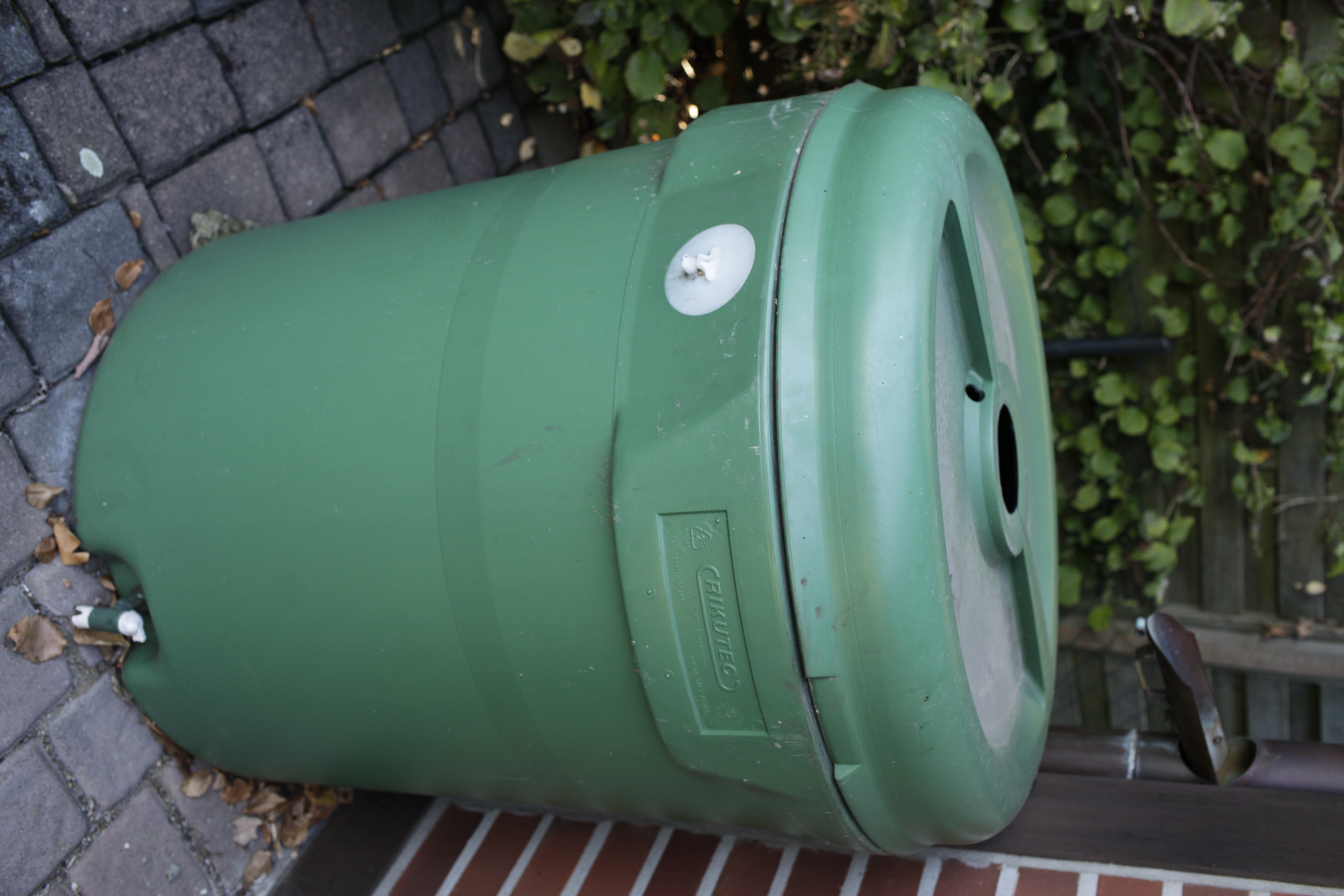
Catchment Math
How to Size a Rain Barrel for Your Roof
Calculating the right barrel volume starts with your roof's drainage area and local rainfall data. Small errors in sizing lead to overflow events or chronically empty barrels.
Read article
Overflow Management
First-Flush Diverters and Overflow Management
The first water off a roof carries accumulated dust, bird droppings, and debris. A first-flush diverter routes that initial volume away before cleaner water enters the barrel.
Read article
Winter Draining
Winterizing Your Rain Barrel in Canada
Standing water in a barrel that freezes solid can crack the container, split fittings, and damage the connected downspout. Proper draining and storage before freeze-up prevents those repairs.
Read articleKey figures
Why barrel sizing matters
Litres per mm per m²
The standard conversion factor used to calculate how much water drains from a given roof area during a rainfall event of known depth.
Critical threshold
Water expands roughly 9% when it freezes. A barrel that is even partially full when temperatures drop below 0°C is at risk of structural damage.
Typical first-flush volume
For a standard residential downspout, the first 3–4 litres of runoff carry the highest concentration of particulates and should be diverted away from the storage barrel.
Sources
Where the numbers come from
The figures and methods described on this site draw on publicly available data from Canadian government agencies and established civil engineering references.
-
Environment and Climate Change Canada
Provides historical precipitation data used to estimate catchment volumes by region.
climate.weather.gc.ca -
Watershed Stewardship Canada
Municipal rainwater guidance programs across Ontario, BC, and Alberta.
trca.ca -
Natural Resources Canada
Atlas of Canada data on freeze-thaw cycles used in winter draining guidance.
natural-resources.canada.ca -
City of Toronto Water Conservation
Municipal rain barrel rebate program documentation and installation guidelines.
toronto.ca